Most homeowners never think about what’s happening inside an oil furnace until something goes wrong with it, and a puffback is usually the moment that changes. Understanding what actually causes one isn’t just useful background information. It shapes both how a furnace puffback cleanup gets handled and what it takes to keep the next one from happening. Anyone already dealing with one can head straight to the contact page rather than working through the causes first.
Why Oil Furnaces Are the Ones That Puff Back
Puffbacks happen almost exclusively in oil-fired systems, and there’s a straightforward reason for that: unburned oil doesn’t dissipate the way unburned gas does. In a gas furnace, a small amount of unburned fuel tends to vent off harmlessly. In an oil furnace, unburned fuel pools inside the combustion chamber, and if it accumulates faster than it’s being burned off, it eventually ignites all at once instead of steadily. That sudden ignition is what forces soot and unburned oil backward through the ductwork rather than up through the chimney the way a normal burn cycle would.
This matters for anyone in Cobble Hill or a similar older Brooklyn neighborhood, since oil heat is still common in housing stock built well before gas lines were standard. A furnace that’s decades old, even one that’s been reasonably well maintained, carries more opportunities for something in the fuel delivery system to go wrong than a newer unit does.
The Usual Culprits
A handful of specific issues account for the vast majority of furnace puffbacks:
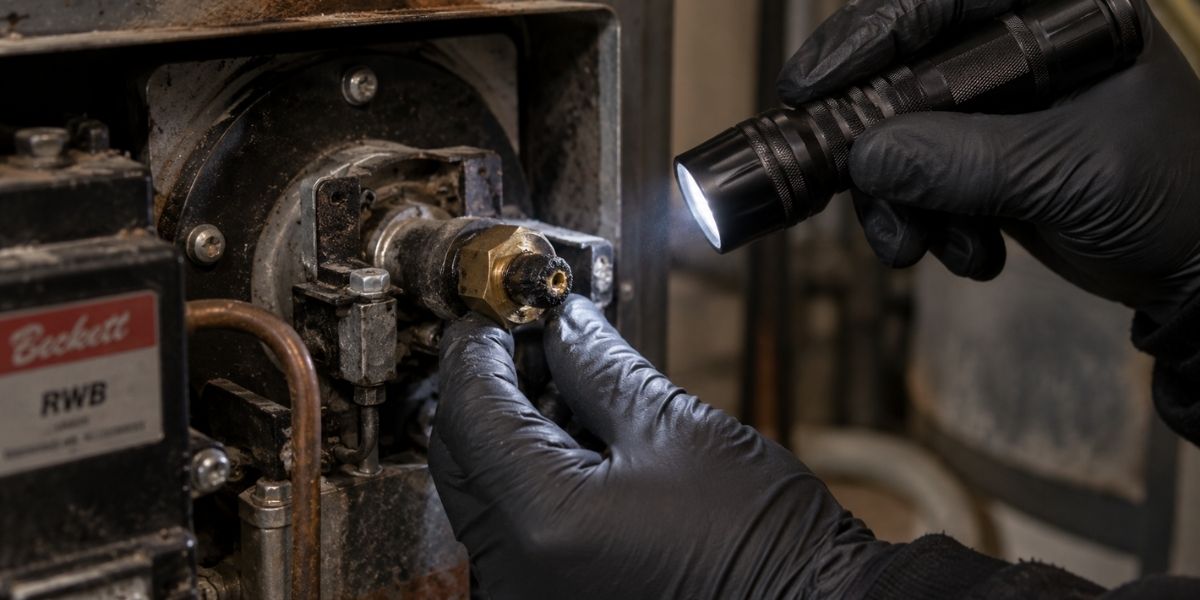
A clogged fuel nozzle. The nozzle is responsible for atomizing oil into a fine spray for clean combustion. When it gets partially clogged, usually from age, buildup, or low-quality fuel, the spray pattern becomes uneven, and combustion becomes unpredictable.
A leak somewhere in the oil line. Even a small leak changes the pressure and flow reaching the burner, which throws off the timing of ignition and can allow fuel to build up before it burns.
An improper shutdown sequence. Furnaces are designed to purge unburned fuel safely at the end of a burn cycle. If that sequence doesn’t complete correctly, whether from a mechanical fault or a control issue, leftover fuel can sit in the chamber until the next cycle starts, at which point it ignites along with the new fuel.
Lack of regular maintenance. This one ties the others together. Annual servicing is what typically catches a nozzle before it’s fully clogged, a line before it’s actively leaking, or a shutdown mechanism before it fails outright. Skipping that maintenance doesn’t guarantee a puffback, but it removes the safety net that usually prevents one.
What a Furnace Puffback Cleanup Actually Involves
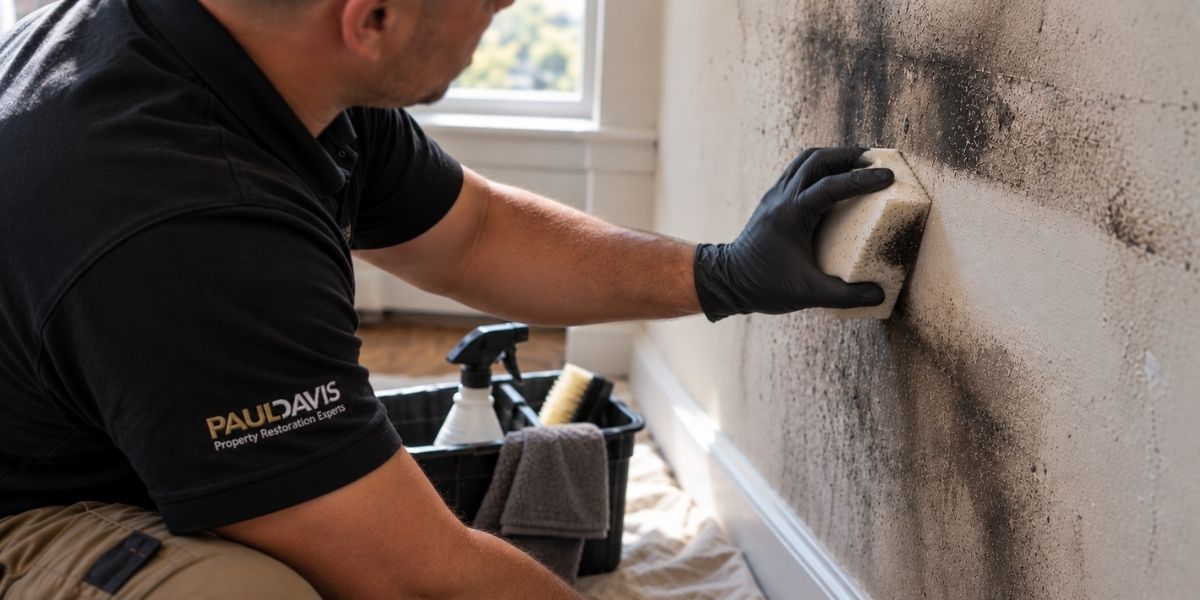
Once a puffback has happened, the cleanup itself needs to address two separate problems: the soot and odor that have already spread through the home, and the underlying mechanical issue that caused the misfire in the first place. Paul Davis of Brooklyn West handles the first part directly, working through containment, HVAC and duct cleaning, and surface and contents cleaning throughout every affected room. For the mechanical repair itself, that typically means coordinating with a licensed HVAC technician, since restoring living spaces and repairing combustion equipment are two different trades.
What ties the two together is documentation and communication. Paul Davis of Brooklyn West works with a hands-on, accountable approach across the entire process, from the first assessment through estimating and insurance coordination, so a homeowner in Kensington isn’t left trying to explain their own situation to three separate companies. Having one consistent point of contact who stays involved through both the cleanup and the coordination with the furnace repair keeps the whole process from becoming disjointed right when it’s already stressful enough.
Preventing the Next One
The single most effective thing a homeowner can do is keep to a regular annual service schedule for an oil furnace, ideally before heating season actually starts rather than after the first cold snap. A technician doing routine maintenance is specifically looking for the early signs of the issues above: a nozzle that’s starting to clog, a line that’s showing wear, a shutdown sequence that isn’t completing cleanly. Catching any of those during a scheduled visit is a fraction of the cost and disruption of dealing with an actual puffback afterward.
For homeowners in Bay Ridge and elsewhere in the neighborhoods Paul Davis of Brooklyn West serves, that maintenance conversation is worth having with an HVAC provider well before the coldest months arrive. If a puffback does happen despite that, the residential restoration process is built to move quickly, since the longer oily soot sits untouched, the more it works into surfaces and the harder it becomes to fully remove.
Frequently Asked Questions
What causes a furnace puffback?
The most common causes are a clogged fuel nozzle, a leak in the oil line, an improper shutdown sequence, or a general lack of regular maintenance. Any of these can allow unburned fuel to accumulate until it ignites unevenly rather than burning steadily.
What are the warning signs of a puffback?
Before a full puffback, warning signs can include unusual rumbling or knocking sounds from the furnace, a faint oily smell that wasn’t there before, or soot beginning to appear around a single vent rather than throughout the house. Catching these early is often the difference between a minor repair and a full cleanup.
How often should an oil furnace be serviced to avoid a puffback?
Most manufacturers and HVAC professionals recommend annual servicing, ideally scheduled before heating season begins. Regular maintenance is what typically catches a clogged nozzle, a developing leak, or a shutdown issue before it leads to a misfire.
Is a puffback covered by homeowners insurance?
In most cases the soot cleanup itself is covered as sudden and accidental damage, though this depends on the specific policy. The furnace repair that actually caused the puffback is frequently treated as a separate, uncovered maintenance issue, so it’s worth confirming both pieces directly with the carrier.
Follow Paul Davis of Brooklyn West: Instagram | LinkedIn | YouTube