The instinct after a puffback is understandable: grab a rag and some all-purpose cleaner and start wiping down whatever’s visibly dirty. It’s also one of the most common ways homeowners turn a manageable problem into a much bigger one. Soot puffback cleaning isn’t like cleaning up after a candle went out wrong, and treating it that way tends to make the underlying damage worse rather than better. Anyone dealing with a fresh puffback right now can skip ahead to the contact page rather than reading through the reasoning first.
Puffback Soot Isn’t Like Regular Soot
Ordinary household soot is dry and largely sits on the surface it lands on. Puffback soot behaves differently because of what it’s actually made of. When an oil furnace misfires, the soot that gets forced back through the ductwork carries unburned, oily fuel residue along with it. That oiliness is what makes it acidic and clingy rather than dry and brushable, and it’s also what allows it to work its way into fabric fibers, grout lines, and painted surfaces far more aggressively than a typical smoke residue would.
This is part of why puffback events tend to feel so much worse than their size might suggest. A misfire that lasts only a few seconds can send that oily soot through every duct and vent connected to the system, meaning a problem that started in the furnace room can end up coating surfaces in Downtown Brooklyn apartments two or three rooms away from the actual mechanical equipment.
Why Wiping It Down Yourself Backfires
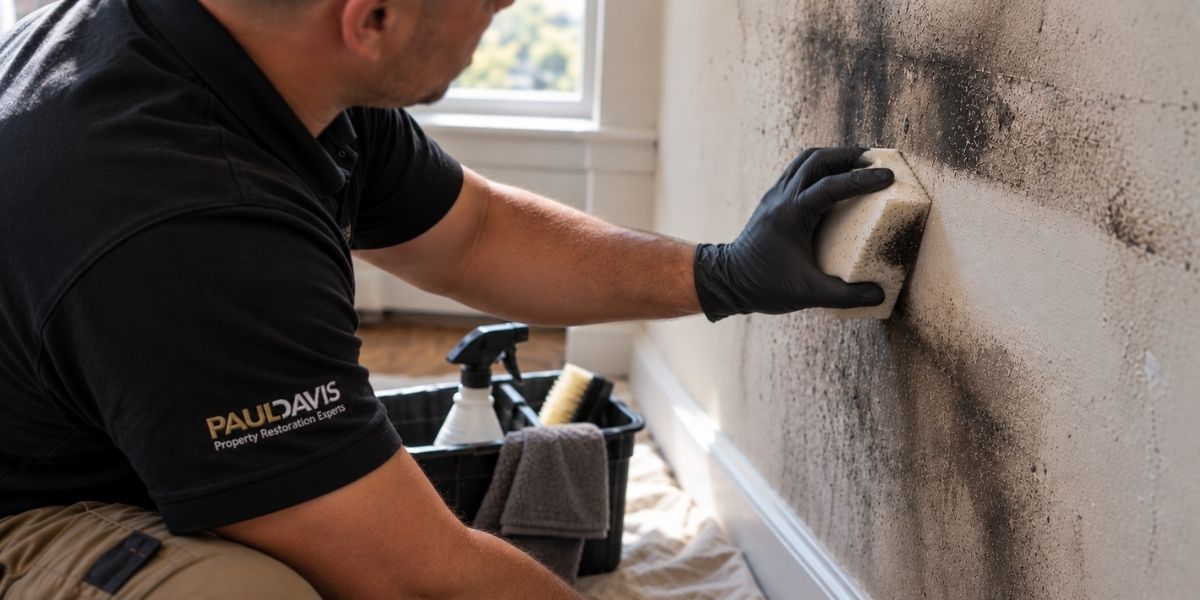
Standard household cleaners, the kind meant for everyday dust and grime, aren’t formulated to lift oily, acidic residue off a surface. What they actually do, more often than not, is spread it. A damp rag pressed against puffback soot tends to smear the oil deeper into whatever it’s touching, whether that’s a painted wall, upholstery, or grout, rather than pulling it out. The result is soot that looks like it’s been cleaned from a distance but is actually more deeply embedded than before anyone touched it, and considerably harder to fully remove after the fact.
The acidity is its own separate concern. Left untouched, or worse, rubbed further into a surface, it can begin etching into paint and certain finishes the longer it sits. That’s a big part of why professional soot puffback cleaning starts with specialized cleaning agents formulated specifically to lift oily residue rather than move it around, applied by technicians trained to recognize which surfaces need which approach.
The Right Way to Clean Puffback Soot
A proper cleaning process starts with containment, sealing off the ductwork and affected rooms so soot already circulating through the HVAC system doesn’t keep spreading into unaffected areas while work is underway. From there, cleaning moves surface by surface: walls and ceilings, HVAC components and duct interiors, and any affected furniture, textiles, or personal belongings, each treated with products and techniques matched to that specific material.
Paul Davis of Brooklyn West brings the same hands-on, accountable approach to this that it applies across the rest of its restoration work, covering everything from the initial assessment and documentation through the actual cleaning and any odor treatment that follows. That matters particularly here, since an incomplete cleaning job doesn’t just look unfinished. It can leave behind an oily residue that continues to smell faintly for months, especially once the furnace kicks back on and pulls whatever’s left in the ductwork back into circulation. For a commercial property or a multi-unit building in Sunset Park, that kind of lingering issue can affect more than one tenant’s space, which makes doing the job thoroughly the first time considerably more important than it might seem for a single-family home.
What Happens After the Soot Is Gone
Cleaning the soot itself is only part of the picture. Because puffback damage often overlaps with an insurance claim, having clear documentation from the first visit through the final walkthrough matters just as much as the physical cleaning work. Paul Davis of Brooklyn West keeps a consistent point of contact involved through that entire process, from documentation and estimating through insurance coordination, so a homeowner in Mill Basin isn’t left piecing together their own paper trail after the fact or explaining their situation over again to a new person at each step.
Frequently Asked Questions
Can I clean puffback soot myself?
It’s not recommended. Standard household cleaners tend to smear the oily, acidic residue deeper into fabric and painted surfaces instead of lifting it out, which usually leaves the underlying damage worse and harder to resolve than if it had been left alone for a professional cleaning.
What makes puffback soot different from regular soot?
Puffback soot carries unburned oil residue from the furnace misfire, which makes it oily and acidic rather than dry. That combination lets it work into fabric, grout, and painted surfaces far more aggressively than typical household soot, and it’s part of why it needs a different cleaning approach entirely.
Is a puffback covered by homeowners insurance?
In most cases the soot cleaning itself is covered as sudden and accidental damage, though coverage always depends on the specific policy in place. The furnace repair that caused the puffback is often treated separately and may not be covered, so it’s worth confirming both with the carrier directly.
What are the warning signs of a puffback?
Common warning signs include an unexpected oily or smoky odor in the home, dark smudging around vents and registers, and sometimes a rumbling sound from the furnace right before or during shutdown. Any of these is worth having looked at before it turns into a full misfire.
Follow Paul Davis of Brooklyn West: Facebook | LinkedIn | YouTube