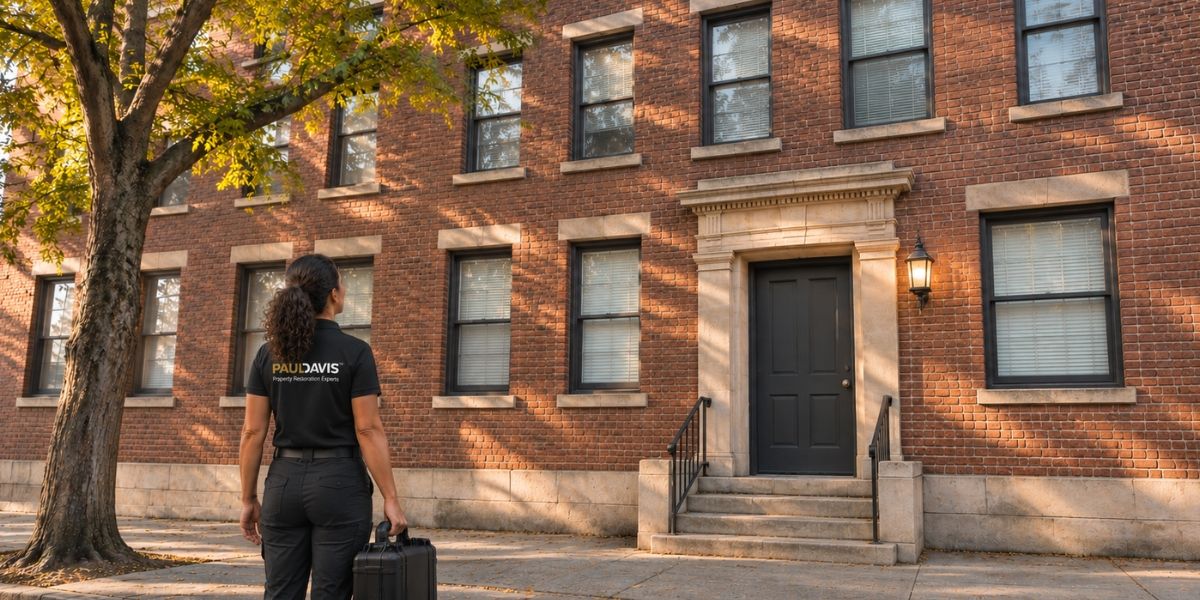
In a house, a leak is usually your problem and your decision. In an apartment building, the water may come from a neighbor’s unit, the repairs may need building approval, and several people may have a say. Residential restoration in a shared building follows the same basic steps as in a house, but the coordination around them looks different. Here is what changes.
Shared Walls, Floors, and Pipes in Residential Restoration
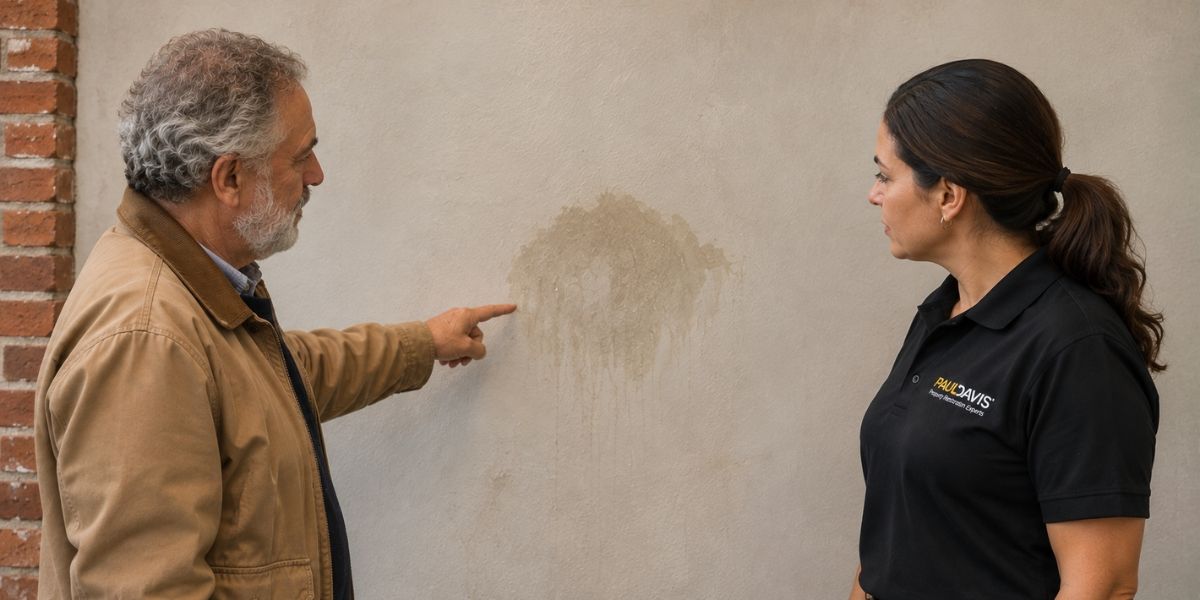
Apartments share walls, floors, ceilings, and plumbing risers, so water often comes from outside your own unit. A leak upstairs can drip through your ceiling, and a failed riser can affect several apartments at once. That means the source may be a neighbor’s fixture or a building system, and fixing it may require access to another unit. The team serves Bensonhurst and many other Brooklyn neighborhoods.
Who Is Responsible
Responsibility depends on where the water came from, what your lease or ownership documents say, and what the building’s policy covers. Owners, boards, managers, and individual residents can each have a role. Responsibility shapes who starts residential restoration and who approves it. Rules differ for rentals, co-ops, and condos, so check your lease or governing documents and ask building management how it handles water losses. A resident of Brooklyn Heights can start by telling building management in writing.
The First Calls
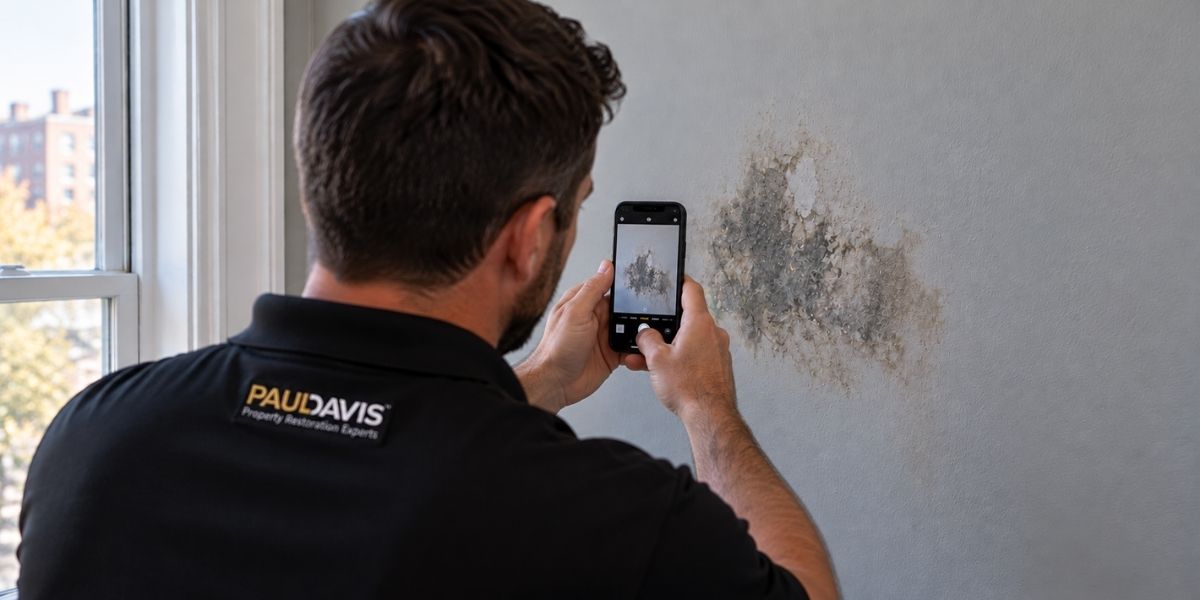
Report the problem to the building superintendent or management right away, in writing if possible, and ask for the source to be stopped. Photograph the damage, and note the date and time. Contact your own insurer if you carry a renter’s or unit owner’s policy. Once the source is stopped, the contact page connects you with the restoration team.
Access and Scheduling
Work in a multi-unit building has to fit the building’s rules: hours when work is allowed, elevator reservations, loading areas, and sometimes insurance certificates for contractors. Neighbors may need to give access so pipes can be inspected. Ask the team how it handles building requirements and how it coordinates schedules. Smooth coordination is a big part of residential restoration in a building.
Noise, Dust, and Neighbors During Residential Restoration
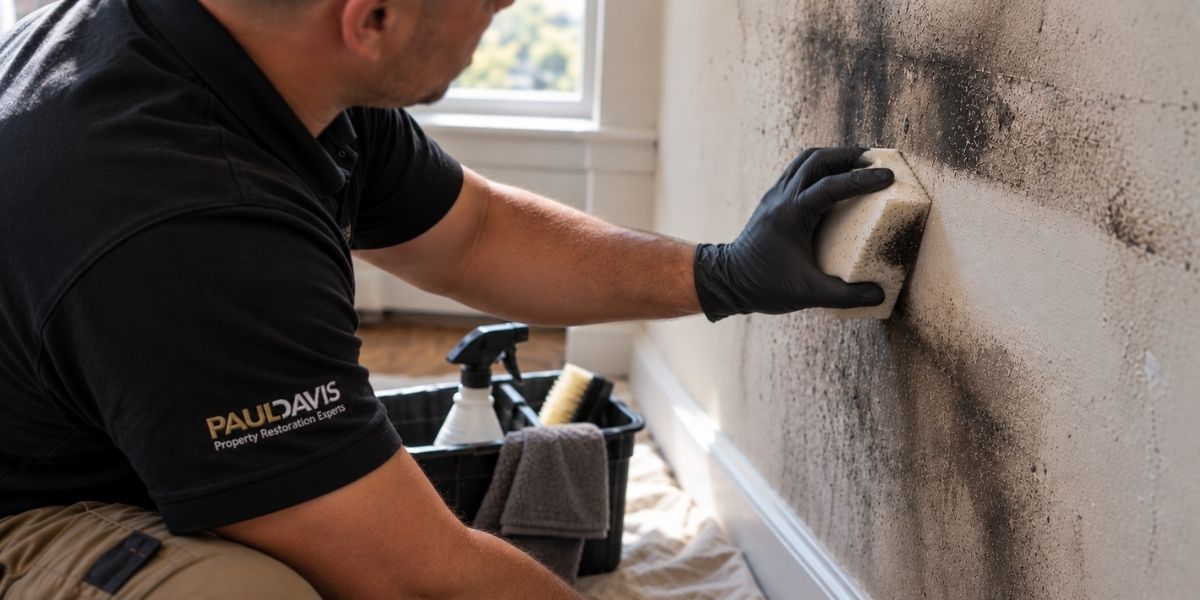
Drying equipment is loud, and demolition makes dust that can travel through hallways and shafts. Ask how the crew will contain dust and protect common areas, and let neighbors know what to expect. A short notice goes a long way. Good communication keeps small disruptions from turning into disputes.
Condo and Co-op Rules
Many buildings require approval before alterations, and some require licensed, insured contractors and a written scope. A board or managing agent may need to review the plan before work starts. Ask early what paperwork the building needs, since delays at this stage can hold up residential restoration for days. Keep copies of every approval.
Documentation Across Several Units
When more than one unit is affected, clear records help everyone. Photograph each space, note which unit the damage appears in, and keep a timeline of events. The company says it follows established insurance carrier documentation and compliance standards, which helps claims move efficiently. Anyone in Cobble Hill dealing with water from another unit can ask the team to assess it.
Communicating With the Building
Keep a short, dated email thread with management, and confirm decisions in writing. Tell neighbors when work will start and what to expect, and ask the team for regular updates you can pass along. Clear communication keeps residential restoration from becoming a source of friction, and it leaves a record if questions come up later.
Your Policy Versus the Building’s
The building’s insurance usually covers the structure and common areas, and a unit owner’s or renter’s policy covers the contents and sometimes interior finishes. Where the line falls depends on the documents. Ask your insurer and your building what each covers, and keep both informed. You can browse the team’s residential services on the residential restoration page.
How Paul Davis of Brooklyn West Can Help
Paul Davis of Brooklyn West is IICRC certified and offers 24/7 emergency response. The company says it handles residential, multifamily, and larger commercial losses, and it works with both insurance claims and self-pay projects, applying the same structured process either way. To learn more about how the team handles water damage, see the water damage restoration page.
Frequently Asked Questions
Who pays when water comes from a neighbor’s apartment?
It depends on the cause, your lease or ownership documents, and the policies involved. Report it and ask building management and your insurer.
Do I need building approval for residential restoration?
Often yes. Many buildings require approval, insurance certificates, and a written scope before work starts.
Can residential restoration happen while neighbors stay home?
Usually, with containment and coordination, though the extent of the damage matters.
Does Paul Davis of Brooklyn West work in multifamily buildings?
Yes. Paul Davis of Brooklyn West says it handles residential, multifamily, and larger commercial losses.
Does the company work with both insurance and self-pay jobs?
Yes. The team applies the same process to both.
Paul Davis of Brooklyn West can help you coordinate the repair once water has reached your apartment.
Follow Paul Davis of Brooklyn West: Facebook | Instagram | YouTube