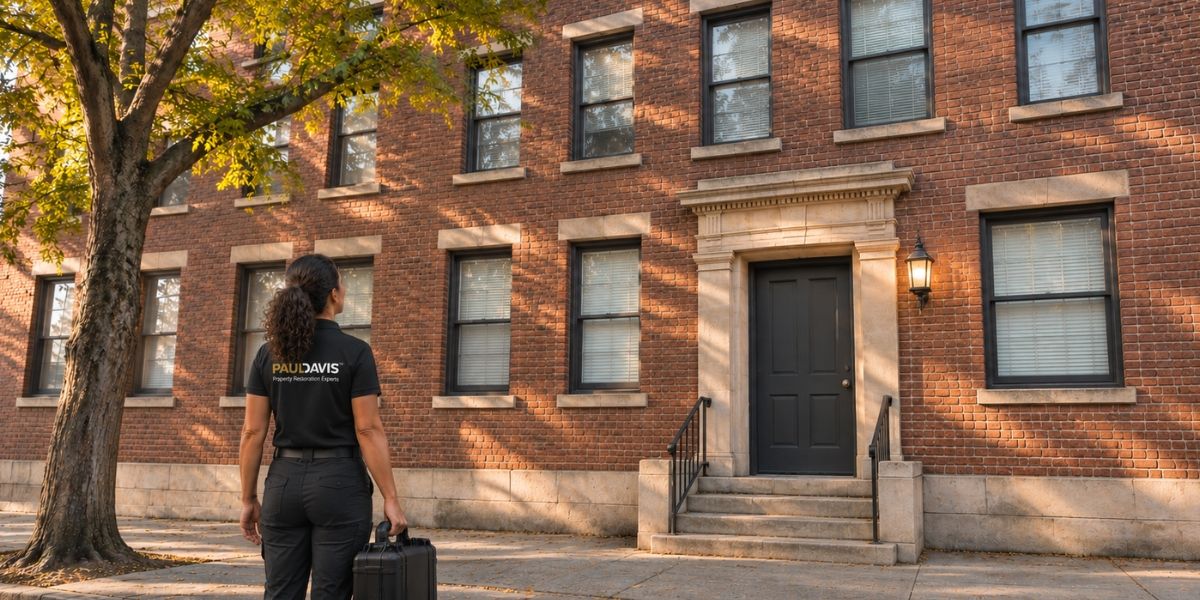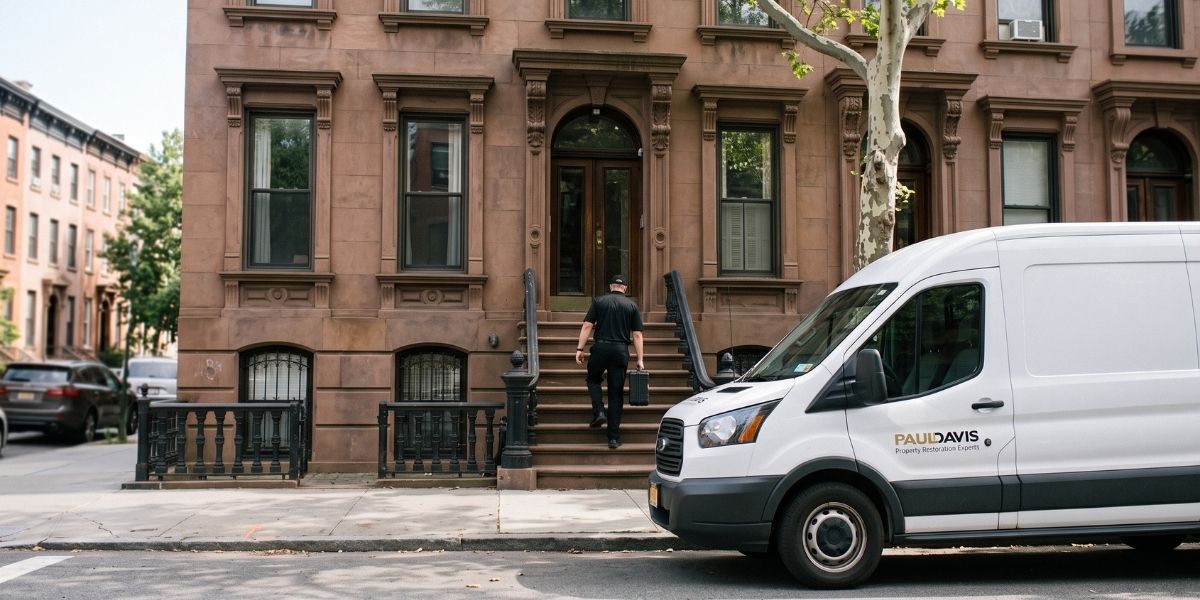
Brownstones, pre-war multifamily buildings, and mixed-use properties make up a huge share of Brooklyn’s housing stock, and they come with real complications most restoration companies would rather avoid. Narrow staircases, shared walls, limited equipment access, and moisture that travels differently through century-old construction than it does through a modern build all change what a mold job actually requires, and what a proper inspection needs to check.
Paul Davis Restoration of Brooklyn West built its process specifically around this kind of building, which means a mold job in a fourth-floor walk-up gets handled with the same care and planning as a ground-floor unit with easy street access.
Why Older Buildings Hide Moisture Differently
A modern building follows standardized construction methods, which makes tracing a leak or a source of dampness relatively predictable. Brownstones and pre-war buildings don’t follow that same playbook. Original plaster, shared walls between units, and plumbing that’s been updated and rerouted over decades all create paths for moisture to travel that aren’t obvious without specific experience in how these buildings are put together, and where they tend to trap moisture that a newer building wouldn’t.
That difference matters when the goal is finding the actual source of a mold problem, not just treating what’s visible on a wall. Homeowners can explore our residential restoration services to see the fuller scope of what’s covered.
One Accountable Team, Whether Insurance Is Involved or Not
Paul Davis of Brooklyn West manages the entire restoration process with a hands-on, accountable approach, from emergency response and documentation through insurance coordination and repair. Clients work with one organized team throughout, whether it’s an insurance claim or a self-pay project, applying the same structured process either way rather than treating self-pay clients as a lower priority.
That consistency matters for a mold job specifically, since remediation and any repairs that follow are often connected, and a fragmented approach tends to create delays exactly where a homeowner can least afford them. For questions about a specific property, the contact page connects directly with the team.
What to Expect From the First Call
The team aims to be on-site within two hours for true emergencies, backed by 24/7 access to a live, trained, background-checked professional. Free estimates are available for most projects, and if a more detailed inspection is needed, that fee gets credited back if the homeowner moves forward with the work.
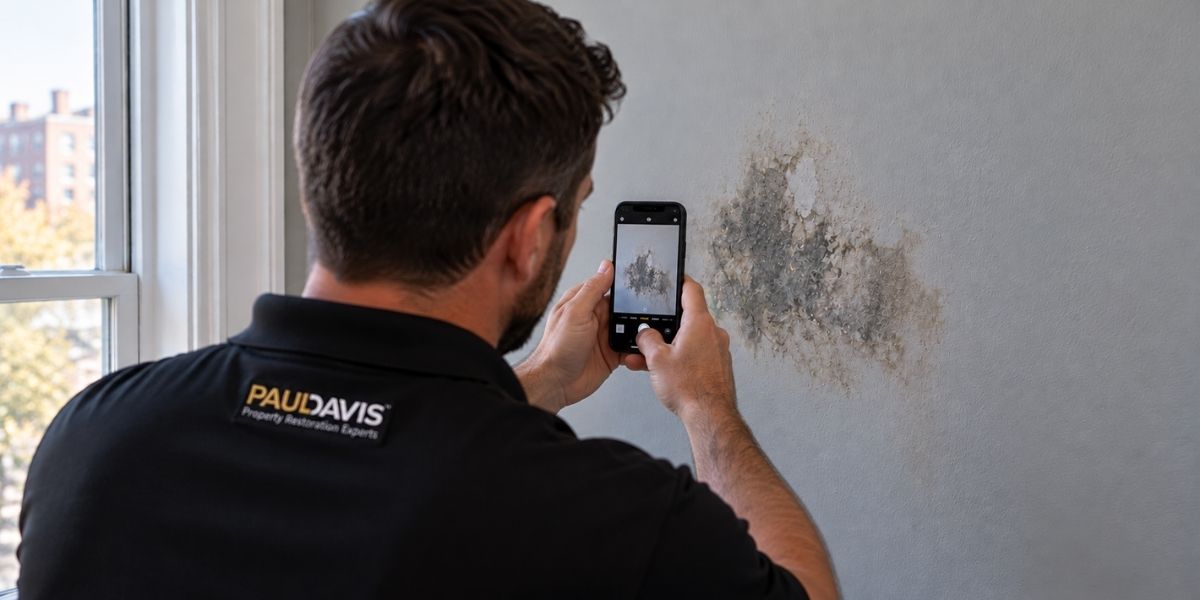
Regular progress updates, including photos, keep homeowners informed throughout rather than left wondering what stage the project is at. Learn more about the team’s approach on the Paul Davis of Brooklyn West page.
What Homeowners Can Expect
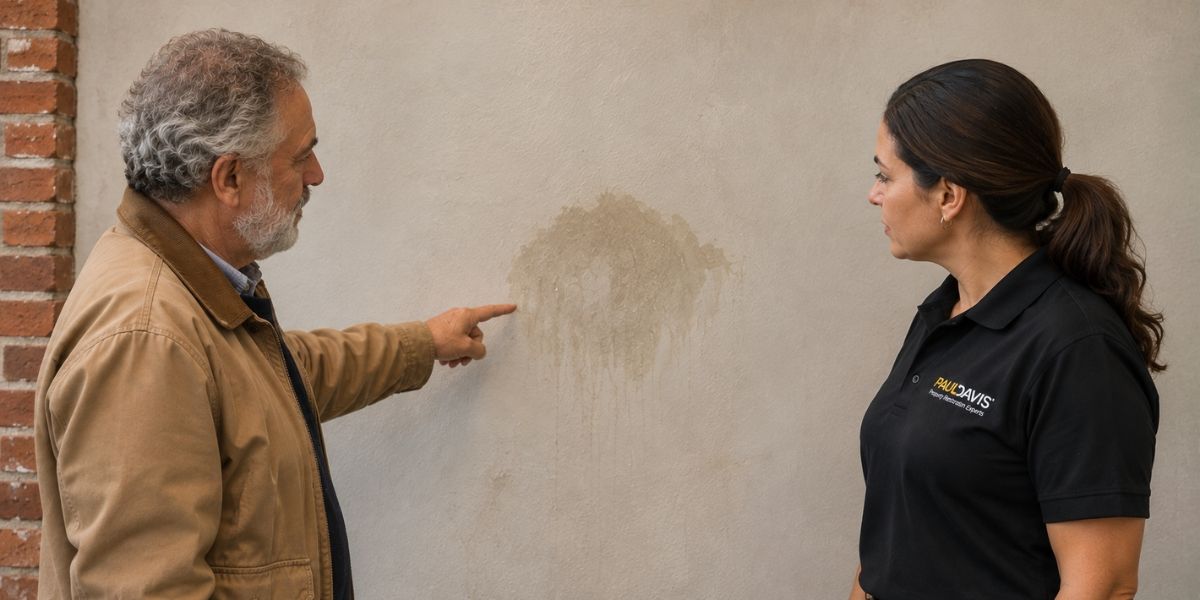
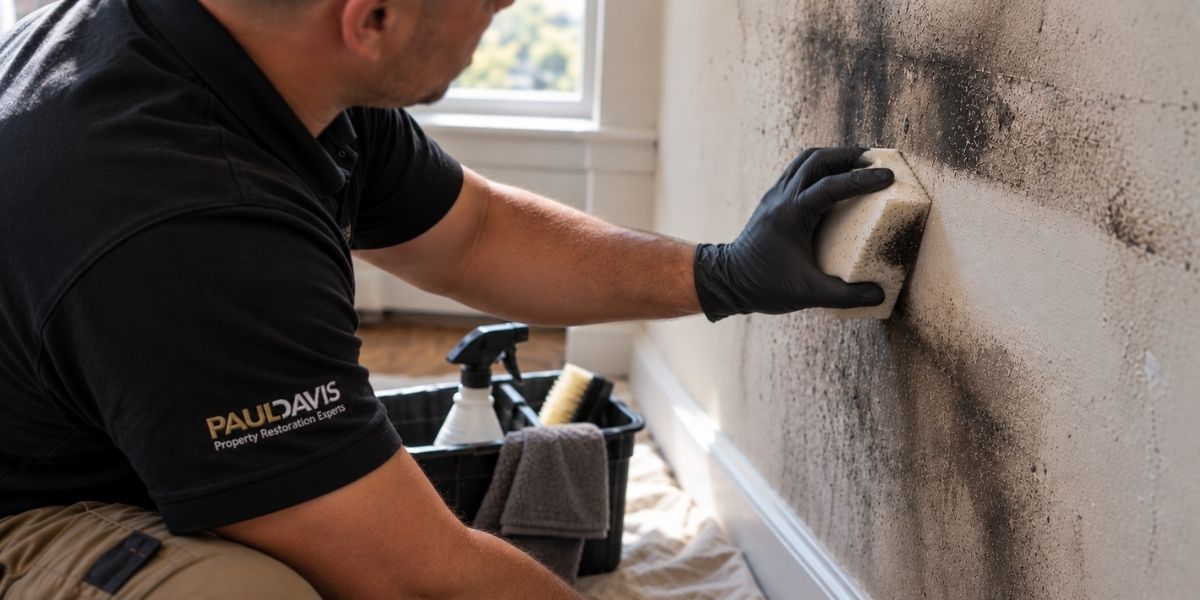
The process starts with an inspection to trace the moisture source feeding the mold, which in an older building may mean checking places a standard inspection wouldn’t think to look, like behind original plaster or along shared walls. From there, the team documents the affected areas, sets up containment, and performs removal following IICRC-certified protocol.
Equipment gets adapted to the building itself, since fitting air movers and dehumidifiers through a narrow prewar stairwell requires different planning than a job with easy street-level access.
Serving Neighborhoods Across Brooklyn
That same building-specific approach reaches homes throughout the borough, including Kensington, Bensonhurst, and Mill Basin. Whether the building is a century-old brownstone or newer construction, the team knows what to look for either way.
Frequently Asked Questions
Why does mold hide differently in older Brooklyn buildings?
Original plaster, shared walls between units, and plumbing rerouted over decades all create moisture paths that aren’t always visible without specific experience in how brownstones and pre-war buildings are constructed.
Does a walk-up apartment cost more to service because of access issues?
Access can affect how a job is planned and scheduled, but the team applies the same care and thoroughness to every property regardless of floor or building type.
Will homeowners insurance cover mold remediation?
Coverage depends on the cause. Mold tied to a sudden, covered event is more likely to be covered than mold from long-term neglect, and the team handles documentation and insurance coordination throughout the process.
How fast can Paul Davis of Brooklyn West respond to a mold concern?
The team aims to be on-site within two hours for true emergencies, with 24/7 access to a live, trained professional.
Is the initial inspection free?
Free estimates are available for most projects. A small fee applies for more detailed inspections, and that fee is credited back if the homeowner moves forward with the work.
If mold has turned up in your building, Paul Davis Restoration of Brooklyn West knows how to work with what a hundred-year-old building actually requires, from the first inspection through the final repair.
Follow Paul Davis of Brooklyn West: Facebook | Instagram | YouTube