Dealing with the aftermath of a house fire can be stressful enough without having to navigate a complicated insurance claim. One of the most important parts of the recovery process is providing the proper documentation to support your claim and ensure you receive the coverage you’re entitled to.
To help homeowners better understand what’s required, Elizabeth Simon of Paul Davis shared insights into the documentation insurance companies commonly request when covering fire restoration services.
Why Documentation Matters After a Fire
Insurance companies rely on documentation to verify the extent of damage, estimate repair costs, and determine the value of lost or damaged belongings.
Without proper records, homeowners may face delays in the claims process or risk receiving less compensation than they deserve.
That’s why thorough documentation should begin as soon as possible after a fire occurs.
A Detailed Restoration Estimate
One of the most important documents in a fire restoration claim is the repair estimate.
According to Elizabeth, Paul Davis uses Xactimate, an industry-standard estimating platform used by restoration contractors and insurance companies across the country.
Xactimate provides detailed, line-by-line pricing for restoration work, creating a standardized format that insurance adjusters can easily review and understand.
Because both restoration professionals and insurance companies use the same system, the claims process often becomes more efficient and transparent.
Photo and Video Documentation
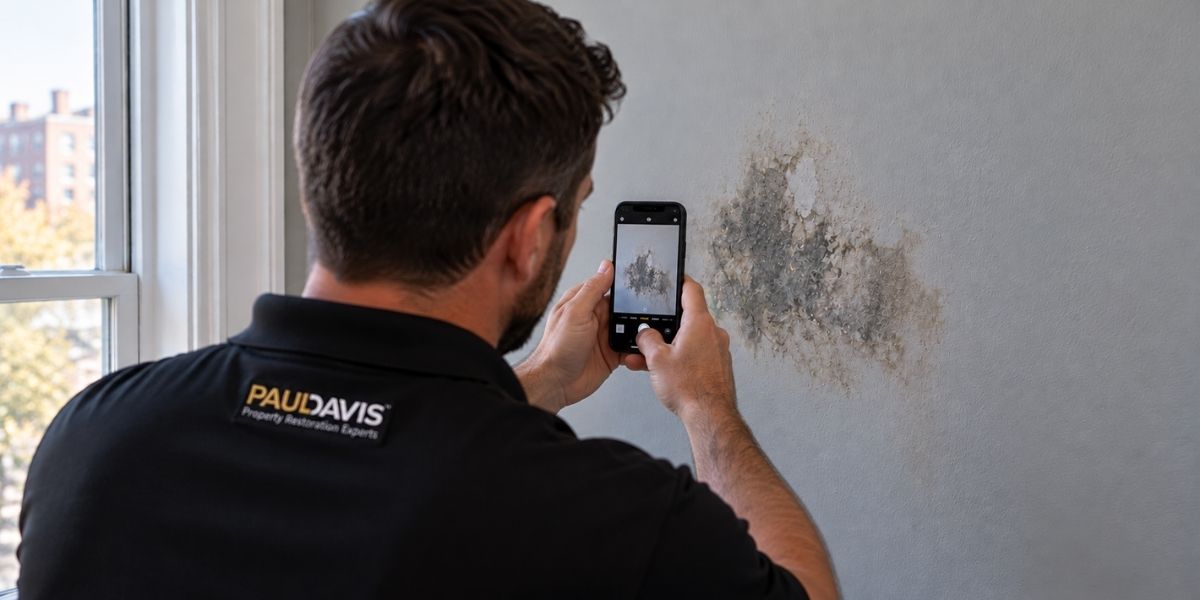
Visual evidence plays a critical role in supporting a fire damage claim.
Before cleanup or restoration begins, homeowners should ensure that extensive photos and videos are taken of all affected areas.
This documentation helps establish:
- The extent of structural damage
- Smoke and soot contamination
- Damage to personal belongings
- Areas impacted by firefighting efforts
Having a clear visual record can help prevent disputes and support the accuracy of the claim.
Fire Department Reports
Following a fire, homeowners will typically receive a report from the responding fire department.
For properties in New York City, this may include documentation from the FDNY.
These reports often contain important information regarding:
- The date and location of the incident
- The cause of the fire, when known
- The areas affected by the fire
- Emergency response details
Insurance companies frequently request these reports as part of the claims review process.
Contents Inventory and Valuation
In addition to documenting structural damage, homeowners should account for damaged personal belongings.
Elizabeth explains that insurance companies often require an itemized inventory that includes:
- A description of each item
- Estimated or documented value
- Condition of the item
- Whether the item can be restored or must be replaced
A detailed contents inventory helps ensure that losses are accurately reflected in the claim.
Receipts and Records for High-Value Items
For expensive belongings such as electronics, jewelry, collectibles, artwork, or specialty equipment, supporting documentation can be especially important.
Examples include:
- Purchase receipts
- Appraisals
- Warranty information
- Credit card statements
- Ownership records
Providing proof of ownership and value can strengthen a claim and help avoid delays during the review process.
Work Authorization Forms
Before restoration work can begin, homeowners are typically required to sign a work authorization form.
This document gives the restoration company permission to perform mitigation, cleanup, and repair services on the property.
Insurance companies may request a copy of this authorization as part of the claim file.
How Professional Restoration Companies Help
Managing documentation after a fire can quickly become overwhelming, especially while dealing with the emotional and financial impact of the loss.
According to Elizabeth, handling documentation is a core part of the service provided by Paul Davis—not simply an added benefit.
The team assists homeowners by:
- Preparing detailed Xactimate estimates
- Documenting damage before restoration begins
- Creating inventories of affected contents
- Coordinating information needed for insurance claims
- Communicating with insurance adjusters throughout the process
This support helps reduce the burden on homeowners while improving the accuracy and completeness of the claim.
Avoid Costly Mistakes During the Claims Process
Many homeowners attempt to manage fire damage documentation on their own. While understandable, this can sometimes lead to overlooked damages, incomplete records, or missed opportunities for reimbursement.
Proper documentation is essential to maximizing insurance benefits and ensuring that all covered losses are accurately represented.
By working with experienced restoration professionals, homeowners can navigate the claims process more confidently and focus on what matters most—recovering and rebuilding after a fire.
If your property has experienced fire damage, the team at Paul Davis can help document the loss, coordinate with your insurance provider, and guide you through every stage of the restoration process.